
Inner Page Background

512.657.8671

Home » Archives for Olga Gilmore » Page 5

Author Archive

Sherwin Williams 2022 Color of the Year

With Q4 of 2021 almost upon us, we’ve entered the heart of 2022 Color of the Year season. In a typical year we might see paint brands offer up a relative rainbow of shades, spanning from subtly intriguing neutrals to maximalist hues, each offering its own explanation of the aesthetic zeitgeist.

Buy now for unlimited access and all of the benefits that only members get to experience.

But 2021 is no typical year. As a result there’s been quite the convergence around neutral-inflected shades of green for brands looking to define the palette of the coming year. From Behr’s Breezeway to PPG’s Olive Sprig and even Glidden’s Avocado, there seems to be consensus around the idea of rebirth as we head into 2022.

Sherwin-Williams, a brand whose annual selection carries weight in the industry, has now joined that chorus. For its Color of the Year, the company has chosen Evergreen Fog, a shade of gray-green that Sue Wadden, in-house director of color, believes symbolizes “growth, rebirth, and joy.” That marks a major departure from the cocoon-like qualities of Urbane Bronze, Sherwin Williams’s 2021 choice.

A member of the Method palette, which was unveiled last month as part of the brand’s 2022 Colormix Forecast, Evergreen Fog fits within a broader dialogue about organic modernism that began with Frank Lloyd Wright, continued through the midcentury period, and remains relevant in the present. Fittingly, Wadden sees this grayish-green as possessing a certain nostalgia that can be tied back to “the ephemera from midcentury styling,” with bold-but-not-blinding ’70s interiors as a point of reference.

At the same time, the selection of Evergreen Fog for 2022 Color of the Year speaks to the shade’s ability to mesh with current trends, including cottagecore and farmhouse style. As a “universally accepted, super-versatile” color, it also squares nicely with the broader movement toward more color on walls, cabinets, and front doors.

As for just how exactly the entire world of paint landed on green for 2022, Wadden has some ideas.

“From a color psychology standpoint, [green] is a color of nature and revitalization, new beginnings and growth,” she says. “As we emerge into whatever this new space is, green is emblematic of that newness.”

That newness involves rethinking how commercial spaces look and feel. With mindfulness and wellness now a much greater consideration in interior design, Evergreen Fog is poised to support environments where people will actually want to spend their time (and/or money).

“Whether it’s in a health care environment or a workspace, if you can find ways to bring those natural elements, like plants, green space, or the color green, I think the psychological association within those commercial environments is just much better,” Wadden posits.

So if every space seems to be sporting a subdued shade of green next year, know that there’s some sound thinking and legitimate seals of approval behind them. At the very least it’s a welcome and refreshing break from the neutrals of old as we (hopefully) move toward a brighter future.

ADPro | By Tim Nelson September 21, 2021
Rosedale Pocket Listing

Charming cottage sits proudly on a corner lot in the wonderful neighborhood of Rosedale.

Two bedroom, 1 bath main house with hardwood floors, incredible wood beams and casings, updated kitchen, formal dining, tons of windows and more.

In the backyard, you’ll find an oversized 2-car garage that has been transformed. It is air-conditioned, over 800 sq. ft., has a bathroom and can virtually be used for whatever you need it to be.

For more information and pricing, please contact Jimmy Gilmore @ 512.657.8671

Hire a Pro or DIY – that is the question!

When it comes to maintenance and repairs, professional labor can be one of the more costly portions of a homeowner’s budget. While many people opt to save cash by doing work themselves, not everyone possesses the skills necessary to fix their own homes (even with the help of online instructional videos). Attempting a DIY project without careful preparation and a complete knowledge of the task could result in expenses that far exceed the cost of a contractor.

Even if you have the experience and know-how, it’s important to consider the time, materials, tools and permits required for your home improvement project. Here’s how to know which projects you can tackle yourself, and which you should probably leave to the experts.

1. Hanging wallpaper.

The verdict: Hire a pro.

The challenge of hanging wallpaper is keeping it straight and matching up the patterns correctly. Sometimes bubbling can occur, and that strip of paper will need to be removed and replaced. This can result in running out of wallpaper and needing to order more. Don’t want to risk it? Hire a professional.

2. Painting the exterior of your home.

The verdict: Hire a pro.

Painting the exterior of a house is a big job that requires extensive use of tall ladders (and sometimes climbing up on the roof). Homeowners should consider safety requirements before tackling an exterior job.

3. Fixing a clogged garbage disposal.

The verdict: Try to DIY it.

A clogged disposal may be cleared by using a small specialty wrench that fits into a hexagonal opening on the underside of the disposal while the disposal is turned off.

4. Fixing a running toilet.

The verdict: Try to DIY it.

A running toilet can be comfortably fixed by a DIY-er with a toilet rebuild kit from any hardware store. These kits typically contain straightforward and easy-to-follow instructions. On the other hand, one-piece or specialty toilets can be tricky and might need the professional touch.

5. Installing a light fixture.

The verdict: Hire a pro (probably).

Electrical repairs and installations are at best expensive. Taking a little time to research and understand your electrical system can give you the necessary skills to do some electrical projects yourself. When installing a light fixture, low-voltage projects can be safely performed by a homeowner, as these are less likely to cause structural or bodily harm. Stick with a professional for anything over 50 volts.

6. Patching a hole in drywall.

The Verdict: Try to DIY it.

Nearly any homeowner can patch nail holes. Using a spackle knife, fill in each hole with lightweight putty and scrape the excess off the walls. Wait for the putty to dry and sand down the spot until it’s smooth. Then, paint the repaired spots with primer. Larger holes in drywall require more steps to repair and may be best left to the professionals.

7. Cleaning gutters.

The verdict: Try to DIY it (if you’re comfortable on a ladder).

To prevent water damage from clogged gutters, leaves should be cleaned out of them every spring and fall. For single-story homes with level grounding around the foundation, go ahead and handle the task yourself (if you’re an experienced ladder-climber). Try to do this project when you have someone there to hold the ladder and help. If you aren’t up for the challenge of moving a ladder and steadily climbing up and down it to clear debris, hire someone else to complete this important task.

8. Re-grouting tile.

The verdict: Try to DIY it.

The surface of tile grout is porous, so dirt can get trapped in cracked grout, which leads to discoloration and further damage. The first step in repairing grout is to choose the right one. Grout choices consist of four different types: sanded, unsanded, acrylic latex or epoxy. Measure the space between your tiles to figure out which type of grout you should use. If the space between the tiles is less than 1/8 inch, use an unsanded acrylic or epoxy grout. If the space is larger than 1/8 inch, it is suggested that you use a sanded grout. Also, don’t forget to match the grout color before making your final purchase! The next step is to clean the grouted area. Then, use a grout saw to remove any damaged grout and then dampen the joints with a wet rag. Mix the grout according to the manufacturer’s directions and begin grouting the tile. It’s important to fill all the joints completely and smooth over the surface with a damp sponge to remove any excess. Allow the grout to set firmly and then clean with a damp rag.

9. Installing molding.

The verdict: Hire a pro.

Not all homeowners have a power saw or the skills to cut and safely install crown molding while on a ladder. The measurements must be accurate and the cuts must line up seamlessly. Unless you have experience, it’s best to leave this job to the professionals.

10. Fixing a sticking window.

The verdict: Hire a pro.

There are a number of reasons that a window might stick. It may be a buildup of dirt and debris in the window casing. Problems in the foundation of your home can cause windows to lose alignment and get stuck. Sometimes, a window is painted and shut before it completely dries, which glues the window closed. High humidity can cause doors and windows to swell and bind them in the jamb.

Fixing a stuck window may involve removing the window and could require using a belt sander or planer. If you don’t have the tools or the know-how to safely use the tools required, leave it to the professionals.

What is an Appraisal Waivers ??

It’s economy 101 – when supply is low and demand is high, prices naturally rise. That’s what’s happening in today’s housing market. Home prices are appreciating at near-historic rates, and that’s creating some challenges when it comes to home appraisals.

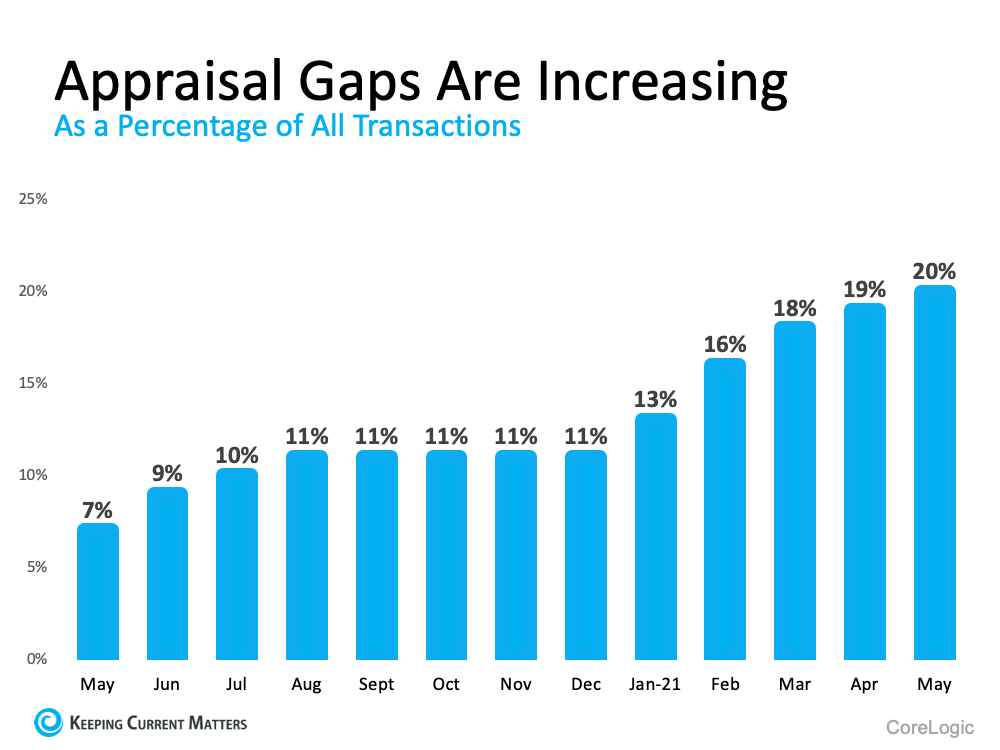
In recent months, it’s become increasingly common for an appraisal to come in below the contract price on the house.

Why does an appraisal gap happen?

Basically, with the heightened buyer demand, purchasers are often willing to pay over asking to secure the home of their dreams. If you’ve ever toured a house you’ve fallen in love with, you understand. Once you start to picture yourself and your furniture in the rooms, you want to do everything you can to land the property, including putting in a high offer to try to beat out other would-be buyers.

When the appraiser comes in, they look at things a bit more objectively. Their job is to assess the inherent value of the home, so they’re going to study the facts. 

In simple terms, while homebuyers may be willing to pay more, appraisers are there to assess the market value of the home. Their goal is to make sure the lender isn’t loaning more money than the home is worth. It’s objective, rather than emotional.

What Buyers and Sellers Need To Know About the Appraisal Gap | Keeping Current Matters

In a highly competitive market like today’s, having a discrepancy between the two numbers isn’t unusual. Here’s a look at the increasing rate of appraisal gaps, according to data from  CoreLogic (see graph):

What does this mean for you?

Ultimately, knowledge is power. The best thing you can do is understand an appraisal gap may impact your transaction if you’re buying or selling. If you do encounter an appraisal below your contract price, know that in today’s sellers’ market, the most common approach is for the seller to ask the buyer to make up the difference in price. Buyers, be prepared to bring extra money to the table if you really want the home.

Above all else, lean on your real estate agent. Whether you’re a buyer or seller, your trusted advisor is your ally if you come up against an appraisal gap. We’ll help you understand your options and handle any additional negotiations that need to happen.

Your Edge

In today’s real estate market, it’s important to stay informed on the latest trends. Work with a real estate professional to help you navigate an appraisal gap to get the best possible outcome.

Keeping Current Matters

7 Disappearing Kitchen Trends

Your home, your rules. Meaning: Do whatever makes you happy. But as we run through 2021 we’re finding some trends that are on their way out. Again, there’s no rule saying you can no longer have any of these features for your own kitchen. If you’re planning on renovating and are looking for styles that will endure, though, it might be smart to avoid these overdone trends.

1. Navy Cabinets

Navy is a classic for a reason, but it starts to feel boring when everyone is using it on their lower cabinets or kitchen islands. If you want to include some color in your kitchen, why not try a color that feels a little different — like green, black, or even a natural wood tone? There are plenty of other versatile colors to try that aren’t navy, so push your design a little bit further than what everyone else is doing right now. 

2. Basic Tile Backsplashes

If you’re going to add a backsplash, don’t just do half the wall (it’s pretty common but it feels like a halfhearted design attempt). Right now, giant slabs or fully tiled walls are in. Just a note for anyone going with tile: Try embracing a different shape other than a traditional rectangle. If you’re worried about longevity, work in a warm neutral color palette to add versatility. 

3. Ornate Hardware

Forget anything flashy. Instead of shiny gold hardware, we’re seeing a return to more muted brushed or matte black finishes. And that’s if there’s hardware being used at all. Minimal cabinet design, where there’s no hardware at all, seems to be the direction kitchens are headed in.

4. Cluttered Countertops

With many of us still working from our kitchen tables (or just cooking a lot) in 2021, countertops around the country are getting cleared off.Cluttered countertops feel stressful and make it harder to keep surfaces clean. Keep out only what you use every day and then find a new home for everything else (in a cabinet or in a donation box!).

5. Farmhouse-Style Cabinets

It’s been a long time coming, but we think farmhouse-style is on its way out in favor of clean-lined and incredibly modern-looking cabinetry. Think: sleek, totally flat-faced panels. With less grooves and molding, they’re easier to clean. Yay! 

6. Open Shelving

The divisive wall of open shelving is out. For most home cooks, it’s an unrealistic way to store glasses and dishes because of how much dirt and grime accumulates in between uses. (Yes, even when things are constantly being used, washed, and put away.) Keeping upper cabinets allows you to tuck away items that could be cluttering up your counters. If you do see open shelving, it will be smaller, single shelves or a small ledge that holds more decorative accessories instead of dishes. 

7. Cool Gray Paints

Gray, like the navy we mentioned above, is an incredibly versatile hue but it gets boring when everyone is using the same color over and over. For kitchen renovations, it used to be, “When in doubt paint the walls or cabinets a cool gray.” Now? Skip it! If you really love gray and want to use it, try a warmer gray with more earthy undertones to help it feel fresh. 

the kitchn.com | caylin harris

TREC Consumer Protection Notice
Texas Real Estate Commission Information About Brokerage Service
Required DMCA Notice